
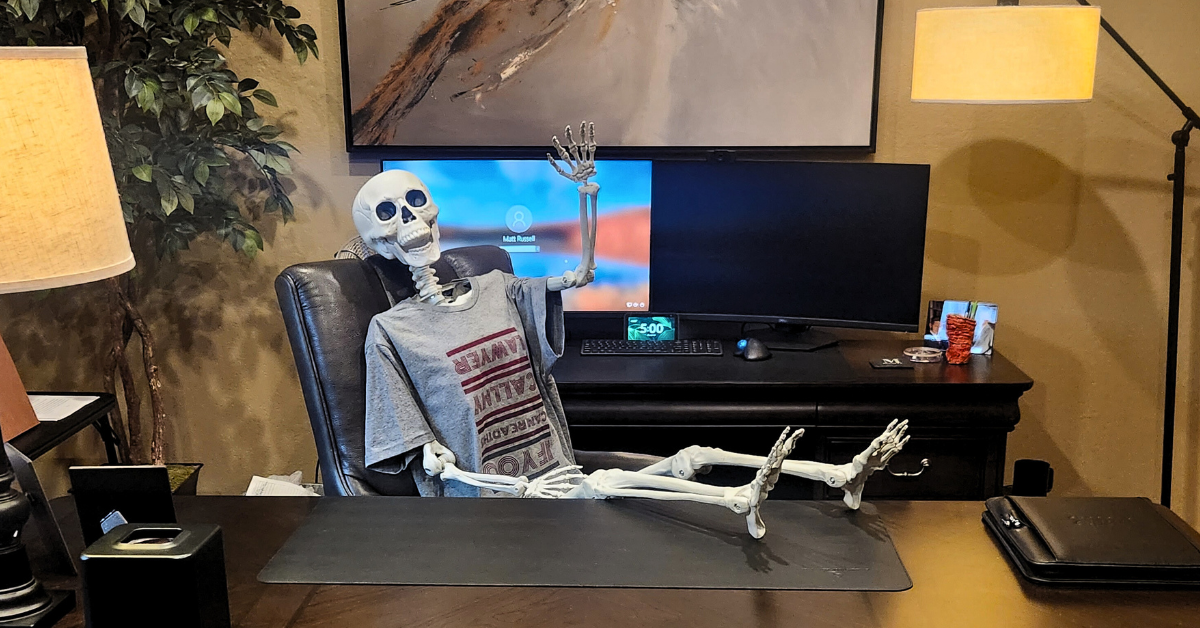
Halloween is one of those holidays where creativity, mischief, and spooky fun all mix together. But in Missouri, some pranks or missteps can land you in legal hot water. Below are tips, warnings, and lessons to help you make this October 31 both memorable and lawful, and keep you out of Halloween Legal Trouble.
What makes Halloween risky, legally speaking
On Halloween, people often push boundaries:
-
Trespassing on someone else’s property in costume or for tricks
-
Vandalism like egging houses, TPing yards, or chalk messages
-
Disturbing the peace (noise, pranks)
-
Mischief that causes damage
-
In many states, special rules for registered sex offenders
Missouri has statutes and case law that you should know to avoid spooky surprises from law enforcement.
Missouri‑specific laws to watch out for
Here are some laws and legal risks unique or especially relevant to Missouri on Halloween:
1. Vandalism and property damage
Missouri treats acts of vandalism or property damage seriously. Damage or defacement of property can be charged under “property damage” or “tampering” statutes.
-
First‑degree property damage becomes a felony when damage exceeds $750, or if it’s done under certain aggravating circumstances.
-
Institutional vandalism (damage to a school, religious building, cemetery, public monument, etc.) is often classified as a class A misdemeanor or escalates to a felony depending on the value of the damage.
So, throwing eggs at someone’s house, smashing pumpkins, or defacing public monuments can land you in trouble.
2. Trespassing
Halloween is the season when costume wanderings can cross property lines. Missouri law defines different degrees of trespass:
-
Second‑degree trespass: entering unlawfully on another’s real property (land). This is an infraction.
-
First‑degree trespass: entering a building or being in a place where you have no right to be (or remaining unlawfully). That’s more serious, a class B misdemeanor in many cases.
Even if you “meant no harm,” being on private property without permission can carry legal consequences.
3. Laws for registered sex offenders on Halloween
Missouri has a statute specifically addressing Halloween contact for registered sex offenders: RSMo § 589.426. Under the law, on October 31:
-
The offender must avoid all Halloween‑related contact with children.
-
They must stay inside between 5:00 p.m. and 10:30 p.m., unless they have a valid reason (work, medical necessity, etc.).
-
They must keep outside residential lights off after 5:00 p.m.
-
Previously, the law required a sign saying “No candy or treats at this residence.” However, in October 2024, a federal court struck down that sign requirement as unconstitutional (because it violated compelled speech) — so that portion is no longer enforceable.
Violating the parts still valid (contact, curfew, lights) remains a class A misdemeanor.
4. Premises liability & injuries
If trick-or-treaters (or pranksters) get hurt on your property because of hazards you left unmanaged, you could face liability claims, especially with children and the “attractive nuisance” doctrine.
Missouri recognizes that property owners cannot intentionally harm trespassers and must not create hidden traps.
How to avoid Halloween legal trouble
Here are some practical tips for trick‑or‑treaters, homeowners, and party planners to keep things legal in Missouri:
For trick-or-treaters / pranksters
-
Stick to public or invited-to spaces. Don’t enter yards without permission. If a gate’s locked, don’t force it.
-
Avoid property damage. Don’t toss eggs, flour, or toilet paper recklessly. Even harmless pranks can cost money or lead to charges.
-
Be mindful of local noise ordinances. Loud music or disturbances late at night may trigger complaints.
-
Stay out of restricted areas. Don’t try to break into abandoned buildings or cross barriers to “haunted” lots.
For homeowners or hosts
-
Illuminate walkways and remove hazards. Make your property safe (clear debris, fix steps) to reduce injury risk.
-
If you don’t want visitors, signal politely. Use simple “No trick‑or-treaters” signs or keep your lights off (best practice rather than forced by law).
-
Watch decorations carefully. Don’t build dangerous traps or elements that might injure someone.
-
Check who’s coming and set rules. If you host a haunted house or yard walk-through, set clear rules, supervise, and avoid dangerous setups.
Spook-free legal checklist
| What you do | Legal risk if you don’t | Safe alternative |
|---|---|---|
| Entering a stranger’s yard | Trespass (infraction or misdemeanor) | Stay on the sidewalk, ring the bell, ask |
| Egging or TP’ing houses | Vandalism/property damage | Use washable chalk, or ask homeowners first |
| Lighting a dark yard with hazards | Premises liability if someone is injured | Provide clear lighting and safe walk paths |
| Violating noise rules late at night | Disturbing peace / local ordinance violation | Stick to moderate noise levels within allowed hours |
What to do if things go sideways
If you find yourself facing a legal issue after Halloween (ticket, citation, or criminal charge), here’s how to respond smartly:
-
Don’t ignore it. Responding or appearing in court is almost always better than skipping your chance to defend.
-
Document everything. Take photos, collect witness names, and preserve evidence.
-
Consult an attorney experienced in criminal/property matters. Even minor offenses can have long-term consequences.
-
Negotiate or resolve early. In many cases, charges can be reduced or dismissed with the right argument or negotiation.
Halloween should be fun! By knowing Missouri’s laws on trespass, vandalism, and premises liability, you can better guard against mistakes that might haunt you come November.
If you or someone you know is facing Halloween-related charges, it’s wise to talk with a criminal defense attorney who has experience in Missouri law. A quick consultation can help clarify your rights and plan a defense strategy.